
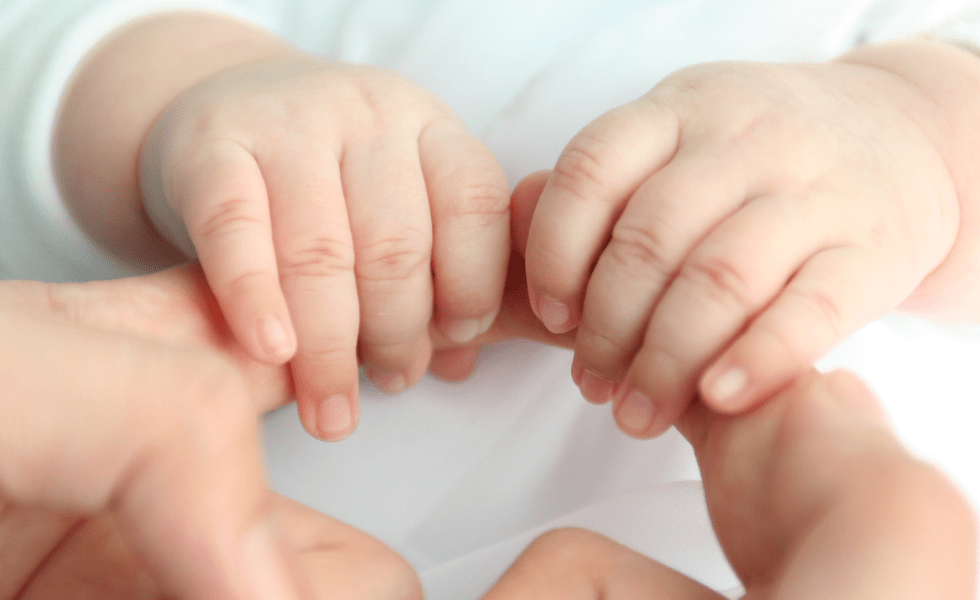
Primitive reflexes are a group of automatic movement patterns which originate during pregnancy.
They play an important role in survival and development in the womb, and in the early stages of life. They assist in the maturity of the brain, the formation of neural pathways, and the development and control of psychomotor development.

The integration of primitive reflexes paves the way for normal development through the growth milestones – from babies learning to hold up their own head, to crawling, standing, and walking; and later, higher-order functions, such as speech, fine motor skills, emotional regulation, and processing of sensory information.
Unsurprisingly, the adage ‘can’t walk before you crawl’ is accurate! If the primitive reflexes don’t integrate at the right time, and in the correct order, there are likely to be difficulties with the maturation of the associated psychomotor skills.
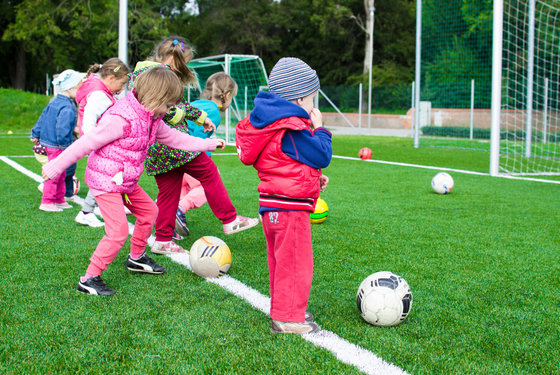
What is the integration of a primitive reflex?
The process of changing from an automatic (reflex) movement to a controlled, voluntary movement. An un-integrated reflex means the automatic response to a specific stimulus exists beyond the age where it is beneficial. It can affect anyone, at any stage of their life!
Why doesn’t reflex integration always happen naturally?
Put simply – stress! Stress takes a variety of forms:
- physical stress (e.g. stress while in utero, rapid or slow birth process, falls/injuries/infections, etc)
- chemical stress (e.g. exposure to allergens, toxins, irritants; lack of adequate/optimal nutrition)
- emotional stress (parent’s response to stress in the perinatal period, household stress, etc)
Indications* of retained primitive reflexes:
- poor posture/muscular endurance
- poor coordination – writing, walking, crawling, playing
- toe walking
- visual difficulties
- poor impulse control
- sensory overload
*more specific and detailed examples to follow; your chiropractor will do a thorough exam to identify your/your child’s individual case.
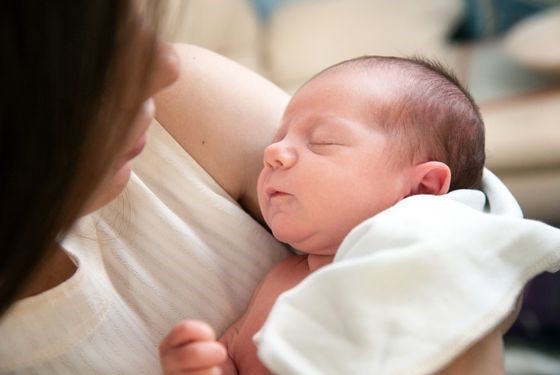


How does chiropractic help?
Chiropractic assessment and treatment can identify retained primitive reflexes, how they’re involved in each unique case, and can help integrate (or re-integrate) them through gentle stimulation designed to challenge the brain and body, and through appropriate home exercise homework.
Read on for more information on specific reflexes.
Summary of the Reflexes:
Fear Paralysis Reflex
Age present – 5th-8th week in utero – birth
Reason for reflex – protective mechanism, response to perceived threats
Signs of poor integration
- anxiety, fear of failure/embarrassment
- poor self-esteem
- sleeping/eating disorders
- aggression, ‘sensitive’ to criticism
Moro Reflex
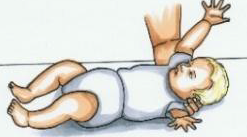
Age present – birth to 2-4 months
Reason for reflex – automatic fight/flight response
Signs of poor integration
- hypersensitivity, sensory overload
- insecurity, anxiety, poor adaptability
- hyper-reactive
- poor impulse control
- social and/or emotional immaturity
- adrenal fatigue (stress response)
Rooting Reflex

Age present – birth to 3-4 months
Reason for reflex – automatic turning of head to turn toward food
Signs of poor integration
- picky eating
- thumb sucking
- dribbling, poor sucking/lip seal
- speech/articulation issues
- teeth, TMJ issues
- persistent hand/mouth, or hand/object connection
Palmer Reflex
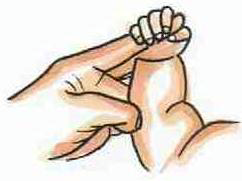
Age present – birth to 5-6 months
Reason for reflex – automatic hand grasp
Signs of poor integration
- poor fine motor skills
- poor manual dexterity
- poor/messy handwriting, difficulty with correct pencil grip
- hand-mouth connection e.g. grimacing when drawing
ATNR (Asymmetric Tonic Neck Reflex)
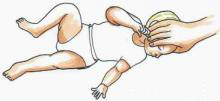
Age present – in utero to 6 months
Reason for reflex – assist baby move through birth canal
Signs of poor integration
- poor hand/eye coordination
- poor/messy handwriting
- poor visual tracking – difficulty with reading/writing on lines
- inappropriate crossing/mixing of midline during activity (e.g. inability to skip, poor arm swing with walking)
- incorrect writing patterns (e.g. R to L, writing backward, swapping hands halfway through the page)
Spinal Galant Reflex
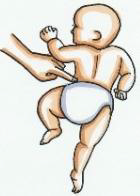
Age present – birth to 3-9 months
Reason for reflex – assist with movement through birth canal.
Signs of poor integration
- postural issues – poor control, poor endurance
- fidgeting
- bedwetting
- poor concentration, poor short-term memory
TLR (Tonic Neck Reflex)
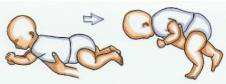
Age present – in utero to 3.5 years old
Reason for reflex – stability, and control of read movement, postural stability.
Signs of poor integration
- poor muscle tone, ‘low tone’
- difficulty crawling
- toe walking tendency
- poor vestibulo-ocular , vestibulo-spinal reflexes
- poor vision
- poor balance
- motion sickness
- difficulty judging distance, space, depth, speed, time
- poor hand/eye coordination
- poor sense of direction (left/right, up/down)
Landau Reflex
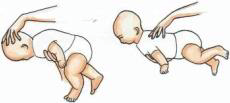
Age present – 4-5 months to 1 year
Reason for reflex – development of correct posture, correct spinal curves
Signs of poor integration
- poor/delayed motor development
- difficulty/awkward hopping, skilling, running
- poor motor control/endurance
STNR (Symmetric Tonic Neck Reflex)

Age present – 6-9 months to 9-11 months
Reason for reflex – preparation for crawling, development of cross-body movement patterns, balance, hand/eye coordination
Signs of poor integration
- poor muscle tone, slumping posture
- inability to crawl correctly
- ‘W’ sitting
- poor hand-eye coordination
- poor eye accommodation/focus
- fidgety, inability to sit still/concentrate
Other reflexes your chiropractor can check:
- vertical suspension reflex,
- placing and stepping reflexes
- sucking reflex
- plantar grasp reflex
- plantar (Babinski) reflex
- Deep tendon reflexes
- Postural reflexes, including pull to sit, positive support reflex, neck righting reflex, parachute reaction, lateral/anterior/posterior propping reflexes
If you are interested in getting your child assessed contact us at Caring Hands Chiropractic to book an assessment or we can refer you to a chiropractor in your area.
References:
Gieysztor EZ, Choińska AM, Paprocka-Borowicz M. Persistence of primitive reflexes and associated motor problems in healthy preschool children. Arch Med Sci. 2018;14(1):167-173. doi:10.5114/aoms.2016.60503
Brain Balance Achievement Centers. Retained Primitive Reflexes as a Sign of Brain Imbalance. http://www.brainbalancecenters.com/blog/2014/09/retained-primitive-reflexes-sign-brain-imbalance/
Hock, S. & Spoelstra, A. Improved Brain Development in 37 Children Undergoing Chiropractic Care for Correction of Vertebral Subluxation: A Retrospective Analysis of Health Outcomes. J. Pediatric, Maternal & Family Health. 2022;86-94.
McIvor, C. (2023) New study examines improved brain development in 37 children undergoing chiropractic care for correction of vertebral subluxation, Australian Spinal Research Foundation. Available at: https://spinalresearch.com.au/new-study-examines-improved-brain-development-in-37-children-undergoing-chiropractic-care-for-correction-of-vertebral-subluxation/ (Accessed: March 1, 2023).
 Caring Hands Chiropractic