
Chiropractic Care Techniques at Caring Hands Chiropractic
Chiropractors most often use their hands to perform gentle spinal adjustments, although specialised equipment may also be used to support the process. Each person’s adjustment is customised, and results can vary depending on individual needs.
At Caring Hands Chiropractic, we utilise safe and effective chiropractic techniques that are suitable for all ages and life stages, including pregnant women, infants, children, teenagers, adults, and seniors. Our chiropractors are trained in a variety of trusted methods to help improve mobility, reduce discomfort, and support overall spinal health.
Whether you are seeking relief from back pain, neck pain, headaches, or looking to improve your posture and well-being, our approach to chiropractic care is tailored to provide lasting results.
Source: Australian Chiropractors Association — www.chiro.org.au



Chiropractic Techniques Used by Sarah Worthington
Sarah Worthington, Principal Chiropractor at Caring Hands Chiropractic, is trained in a wide range of advanced chiropractic techniques to provide tailored care for clients of all ages.
Sarah combines several well‑established methods, including:
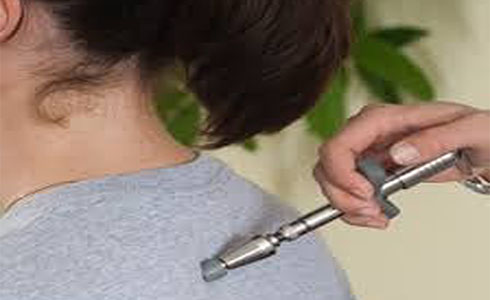
- Activator Method – A gentle instrument-assisted adjustment delivering precise, low-force corrections to joints and muscles
- Diversified Technique – A widely used hands‑on chiropractic adjustment method.
- Sacro Occipital Technique (SOT) – Focuses on restoring balance between the skull, spine, pelvis, and nervous system.
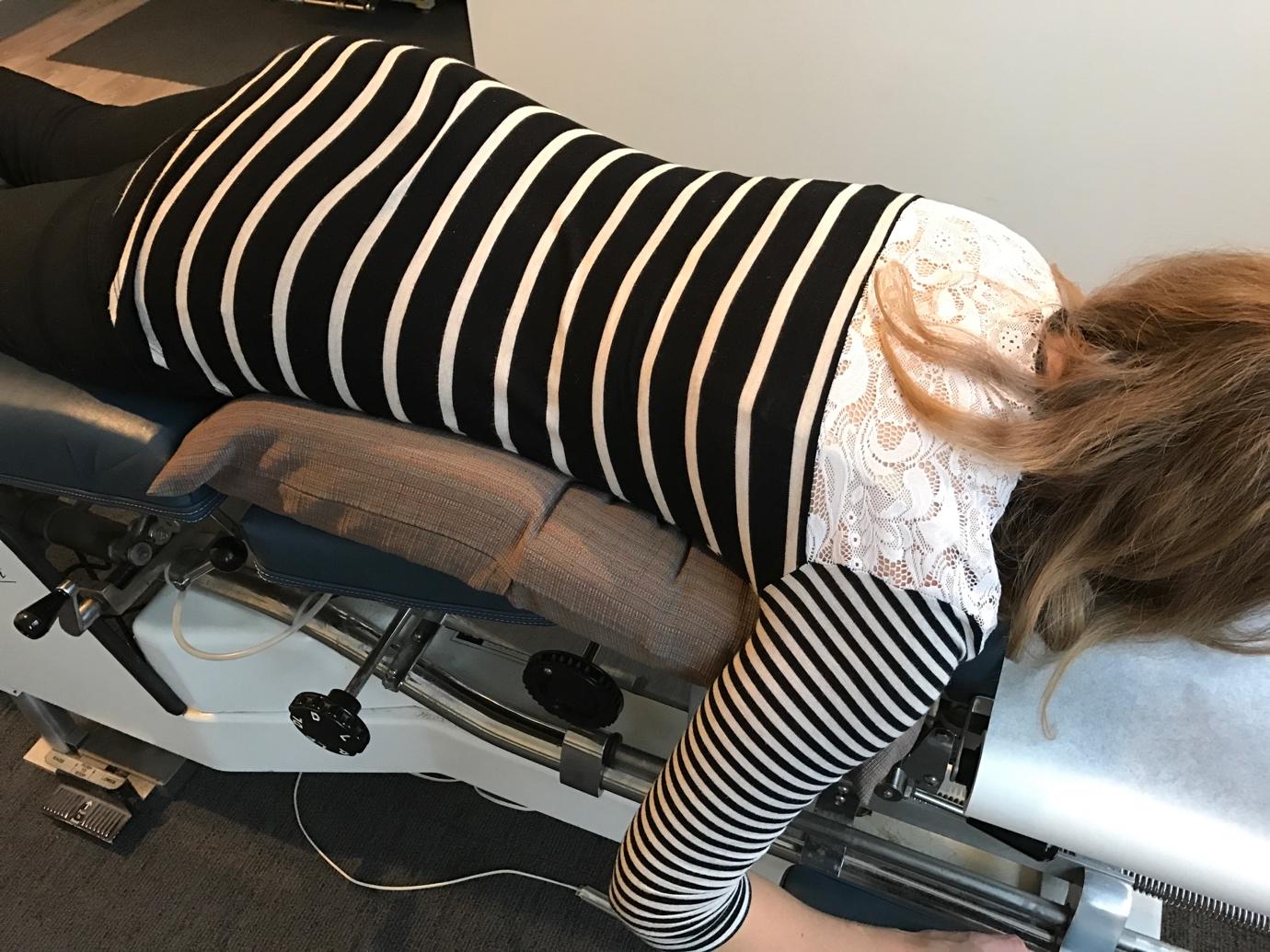
- Drop Piece Technique – Uses a specialised adjusting table for safe and comfortable spinal corrections.
- Applied Kinesiology (AK) – A system that evaluates structural, chemical, and emotional aspects of health.
Sarah is also certified in the Webster Technique, a safe chiropractic method commonly used during pregnancy that focuses on assessing the pelvis and surrounding muscles and ligaments. Additionally, she is skilled in Neuro Emotional Technique (NET), a mind-body approach that helps release emotional stress contributing to physical pain or dysfunction, and Frequency Specific Microcurrent (FSM) therapy, which uses gentle electrical currents to support tissue healing and pain reduction.
Chiropractic Techniques Used by Catherine Fraser
Catherine Fraser, a dedicated chiropractor at Caring Hands Chiropractic, uses a comprehensive range of chiropractic methods tailored to support clients of all ages, from infants to seniors.
Her primary chiropractic techniques include:
- Activator Method – A gentle instrument-assisted adjustment delivering precise, low-force corrections to joints and muscles.
- Diversified Technique – A hands-on adjustment method used to restore normal joint motion and function.
- Sacro Occipital Technique (SOT) – Focuses on restoring balance between the skull, spine, pelvis, and nervous system.
- Drop Piece Technique – Utilises a specialised chiropractic table where a section drops to assist safe and effective spinal adjustments.
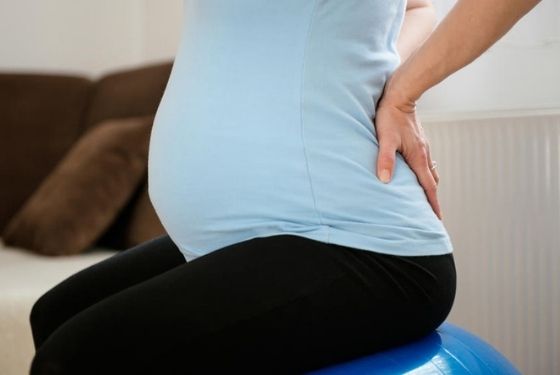
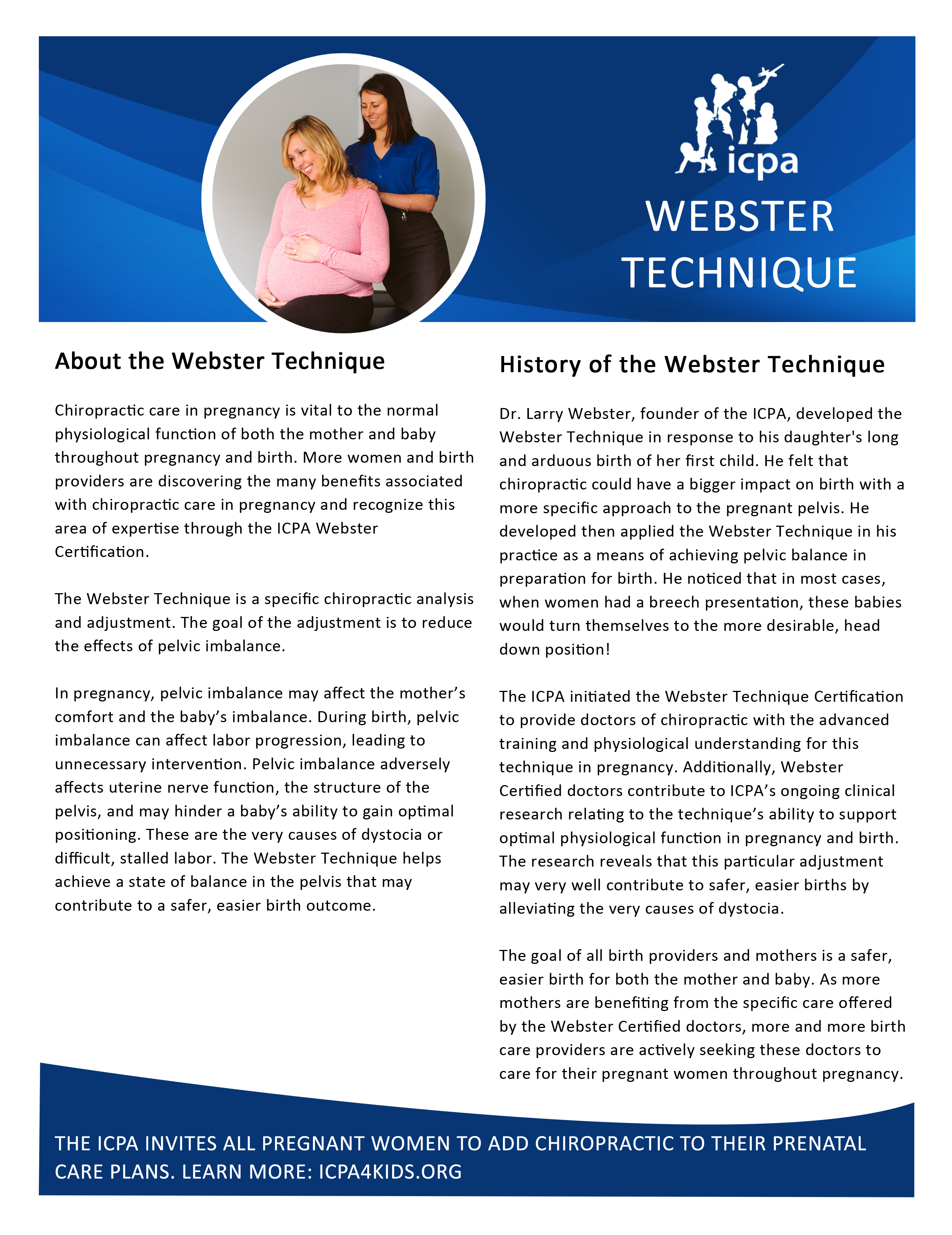
Catherine is skilled in the Webster Technique, a specialised chiropractic method commonly used during pregnancy to optimise pelvic balance. This gentle and safe technique focuses on balancing the pelvis, muscles, and ligaments.
As part of her care, Catherine may use Muscle Testing. This gentle technique explores how muscles respond under light pressure, offering insights into posture, movement, and body balance. She may also incorporate Frequency Specific Microcurrent (FSM) therapy, which employs gentle electrical currents to support tissue healing and reduce pain in various parts of the body.
Additionally, Catherine offers dry needling, a modern treatment targeting muscle knots and trigger points to relieve pain and improve muscular function as part of her comprehensive treatment approach.
Webster Technique

Frequency Specific Microcurrent (FSM) Therapy
Frequency Specific Microcurrent (FSM) is a cutting-edge pain treatment that uses very low-level electrical currents to target specific areas of the body. This non-invasive therapy aims to reduce pain, decrease inflammation, and promote tissue repair by delivering mild electrical impulses at precise frequencies.
During an FSM treatment, a specialised device delivers microampere-level electrical currents (one-millionth of an ampere) to the affected tissues. These tiny currents are completely safe and mimic the natural electrical signals produced by healthy cells in the body.
FSM therapy may effectively reduce swelling, enhance cellular healing, and alleviate pain associated with musculoskeletal injuries, chronic conditions, and nerve dysfunction. Its gentle approach makes it suitable for a wide range of clients seeking relief without medication or surgery.
Who Should Avoid Frequency Specific Microcurrent (FSM) Therapy?
While Frequency Specific Microcurrent (FSM) therapy is generally safe and effective for many conditions, it is not recommended for certain individuals, including:
- People with pacemakers or other implanted electronic devices.
- Individuals using implanted pumps, such as insulin or baclofen pumps.
- Pregnant women.
- People with uncontrolled seizure disorders.
It is important to disclose any medical conditions or devices to your healthcare provider before beginning FSM treatment to ensure safety and effectiveness.
Dry Needling
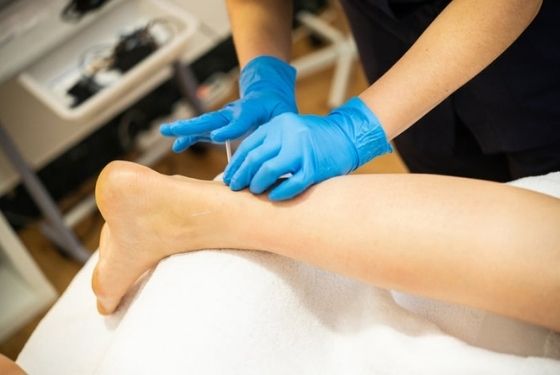
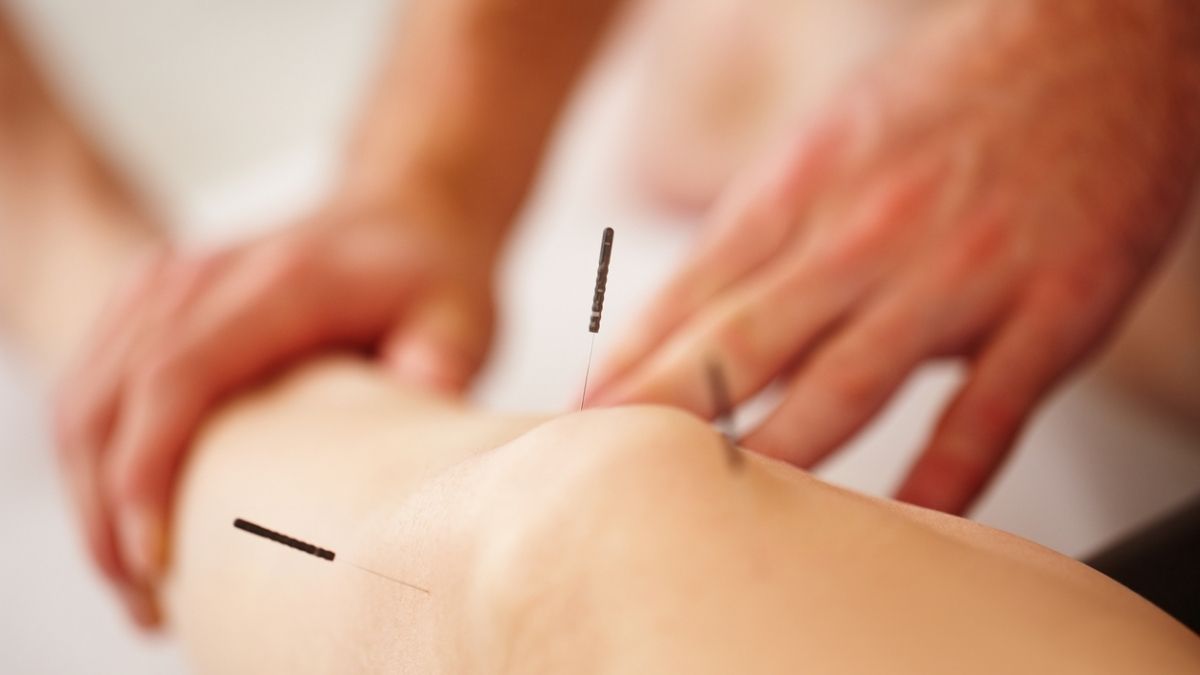

Dry needling is a modern treatment designed to ease muscular pain. Its popularity is growing.
During dry needling, a practitioner inserts several filiform needles into your skin. Filiform needles are fine, short, stainless steel needles that don’t inject fluid into the body. That’s why the term “dry” is used.
Practitioners place the needles in “trigger points” in your muscle or tissue. Dry needling is also sometimes called intramuscular stimulation. The points are areas of knotted or hard muscle.
Dry needling practitioners say the needle helps release the knot and relieve any muscle pain or spasms. The needles will remain in your skin for a short period. The length of time depends on the practitioner.
For more detailed information about dry needling and what to expect during the treatment process, please visit our Healthy Lifestyle Blog post by Catherine here.
 Caring Hands Chiropractic